Alternative cancer treatments describes alternative and complementary treatments for cancer that have not been approved by the government agencies responsible for the regulation of therapeutic goods. They include diet and exercise, chemicals, herbs, devices, and manual procedures. The treatments may be untested or unsupported by evidence, either because no proper testing has been conducted, or because testing did not demonstrate statistically significant efficacy. Concerns have been raised about the safety of some of them.
Alternative cancer treatments are typically contrasted with experimental cancer treatments, which are treatments for which experimental testing is currently underway. All currently approved chemotherapeutic cancer treatments were considered experimental cancer treatments before their safety and efficacy testing was completed.
Such therapies can be categorized broadly into three groups: alternative treatments offered as a substitute to standard medical treatment; alternative treatments as an addition to standard treatment; and treatments proposed in the past that have been found in clinical trials to be useless and/or unsafe. Some of these obsolete or disproven treatments continue to be promoted, sold, and used.

Alexander technique
The technique
The Teaching Process
The Alexander technique is considered to be primarily an educational process to be practiced by the student, rather than a curative treatment or therapy. Generally, it does not consist of routine exercises, but is meant to be applied in any moment when quality improvements are desired during action. For this reason, F.M. Alexander preferred not to recommend exercises for his students to perform, and most Alexander teachers follow this intent. Alexander's approach was to emphasize the use of freedom to choose beyond conditioning in every action.
Teachers use demonstration, explanation, and repeated re-examination of a student spontaneous reactions. Light hand contact by the teacher is most often used to detect and deal with the student's unnecessary stress. In the context of everyday motions such as using one's hands, sitting, standing, walking, and speaking, the teacher's suggestions are student-specific guidance and not a series of recommended exercises suitable for anyone. Assistance with any activity, such as a hobby, sports or an artistic performance may be requested as further topics of personal interest. [3]
The exceptions are two prescriptive forms or exercises intended to be done in separate but brief practice times. A procedure recommended to all students is lying semi-supine as a means for effective rest, releasing muscular tension and as an opportunity to use the conscious mental "Directions" Alexander devised. The other procedure is termed a "Whispered Ah," used to subtract unnecessary effort from the use of the voice.
Freedom, efficiency and patience are the prescribed values. Proscribed are unnecessary effort, self-limiting habits as well as mistaken assumptions. Students are led to change their previous habitual and largely automatic routines that are interpreted by the teacher to currently or eventually be physically limiting and structurally inefficient. The Alexander teacher provides verbal coaching while monitoring, guiding and preventing unnecessary habits at their source with specialized hands-on assistance to show what is meant. This specialized assistance requires Alexander teachers to demonstrate on themselves the improved physical coordination they are communicating to the student.[4]
Alexander developed his own terminology to talk about his methods, outlined in his four books. These terms were created to describe the sometimes paradoxical experience of learning and substituting new improvements.
Sensory appreciation
F. M. Alexander insisted on the need for strategic reasoning and "Constructive Conscious Control" because kinesthetic sensory awareness is a relative sense, not a truthful indicator of fact. The current postural attitude is sensed internally as a normal state of affairs, however inefficient. Alexander's term, "debauched sensory appreciation" describes how the repetition of a circumstance encourages habit design as a person adapts to circumstances or builds skills. Once trained and forgotten, completed habits may be activated without feedback sensations that these habits are in effect, just by thinking about them.[5] Short-sighted habits that have become harmful over time, such as restriction of breathing or other poor postural attitudes that limit freedom of movement & shorten stature, will stop after learning to perceive and prevent them.
End-gaining
Another example is the term "end-gaining", which means to focus on a goal so as to lose sight of the "means-whereby" the goal could be more appropriately achieved. According to Alexander teachers, "end-gaining" increases the likelihood of selecting older or multiple conflicting coping strategies with the potential for needless cumulative, ongoing self-injury. End-gaining actions are usually carried out because a more imperative priority justifies it, which is usually impatience or frustration.
Inhibition
In the Alexander technique lexicon, the principle of "inhibition" is considered by teachers to be the most prominent. F.M. Alexander's selection of this word pre-dates the modern meaning of the word originated by Sigmund Freud. Inhibition describes a moment of conscious awareness of a choice to interrupt, stop or entirely prevent an unnecessary habitual "misuse." As unnecessary habits are prevented or interrupted, a freer capacity and range of motion resumes, experienced by the student as a state of "non-doing."
Primary control
This innate coordination that emerges is also described more specifically as "Primary Control". This is a key head, neck and spinal relationship. The body's responses are determined by the qualities of head and eye movement at the inception of head motion. What expands the qualities of further response is a very subtle nod forward to counteract backward startle pattern, coupled with an upward movement of the head away from the body that lengthens the spine. Students learn to include their whole body toward their intention of purposeful motion.
Directions
To continue to select and reinforce the often less dominant "good use," it is recommended to repeatedly suggest, by thinking to oneself, a tailored series of "orders" (also termed Directions.) "Giving Directions" is the term for thinking and projecting an anatomically corrected map of how one's body is designed to be used effortlessly. "Directing" is suggestively thought, rather than willfully accomplished. This is because when freedom is the objective, the appropriate responses cannot be anticipated but can be observed and chosen in the moment.
Psycho-physical unity
Global concepts such as "Psycho-physical Unity" and "Use" describe how thinking strategies and attention work together during preparation for action. They connote the general sequence of how intention joins together with execution to directly affect the perception of events and the outcome of intended results.
The Teaching Process
The Alexander technique is considered to be primarily an educational process to be practiced by the student, rather than a curative treatment or therapy. Generally, it does not consist of routine exercises, but is meant to be applied in any moment when quality improvements are desired during action. For this reason, F.M. Alexander preferred not to recommend exercises for his students to perform, and most Alexander teachers follow this intent. Alexander's approach was to emphasize the use of freedom to choose beyond conditioning in every action.
Teachers use demonstration, explanation, and repeated re-examination of a student spontaneous reactions. Light hand contact by the teacher is most often used to detect and deal with the student's unnecessary stress. In the context of everyday motions such as using one's hands, sitting, standing, walking, and speaking, the teacher's suggestions are student-specific guidance and not a series of recommended exercises suitable for anyone. Assistance with any activity, such as a hobby, sports or an artistic performance may be requested as further topics of personal interest. [3]
The exceptions are two prescriptive forms or exercises intended to be done in separate but brief practice times. A procedure recommended to all students is lying semi-supine as a means for effective rest, releasing muscular tension and as an opportunity to use the conscious mental "Directions" Alexander devised. The other procedure is termed a "Whispered Ah," used to subtract unnecessary effort from the use of the voice.
Freedom, efficiency and patience are the prescribed values. Proscribed are unnecessary effort, self-limiting habits as well as mistaken assumptions. Students are led to change their previous habitual and largely automatic routines that are interpreted by the teacher to currently or eventually be physically limiting and structurally inefficient. The Alexander teacher provides verbal coaching while monitoring, guiding and preventing unnecessary habits at their source with specialized hands-on assistance to show what is meant. This specialized assistance requires Alexander teachers to demonstrate on themselves the improved physical coordination they are communicating to the student.[4]
Alexander developed his own terminology to talk about his methods, outlined in his four books. These terms were created to describe the sometimes paradoxical experience of learning and substituting new improvements.
Sensory appreciation
F. M. Alexander insisted on the need for strategic reasoning and "Constructive Conscious Control" because kinesthetic sensory awareness is a relative sense, not a truthful indicator of fact. The current postural attitude is sensed internally as a normal state of affairs, however inefficient. Alexander's term, "debauched sensory appreciation" describes how the repetition of a circumstance encourages habit design as a person adapts to circumstances or builds skills. Once trained and forgotten, completed habits may be activated without feedback sensations that these habits are in effect, just by thinking about them.[5] Short-sighted habits that have become harmful over time, such as restriction of breathing or other poor postural attitudes that limit freedom of movement & shorten stature, will stop after learning to perceive and prevent them.
End-gaining
Another example is the term "end-gaining", which means to focus on a goal so as to lose sight of the "means-whereby" the goal could be more appropriately achieved. According to Alexander teachers, "end-gaining" increases the likelihood of selecting older or multiple conflicting coping strategies with the potential for needless cumulative, ongoing self-injury. End-gaining actions are usually carried out because a more imperative priority justifies it, which is usually impatience or frustration.
Inhibition
In the Alexander technique lexicon, the principle of "inhibition" is considered by teachers to be the most prominent. F.M. Alexander's selection of this word pre-dates the modern meaning of the word originated by Sigmund Freud. Inhibition describes a moment of conscious awareness of a choice to interrupt, stop or entirely prevent an unnecessary habitual "misuse." As unnecessary habits are prevented or interrupted, a freer capacity and range of motion resumes, experienced by the student as a state of "non-doing."
Primary control
This innate coordination that emerges is also described more specifically as "Primary Control". This is a key head, neck and spinal relationship. The body's responses are determined by the qualities of head and eye movement at the inception of head motion. What expands the qualities of further response is a very subtle nod forward to counteract backward startle pattern, coupled with an upward movement of the head away from the body that lengthens the spine. Students learn to include their whole body toward their intention of purposeful motion.
Directions
To continue to select and reinforce the often less dominant "good use," it is recommended to repeatedly suggest, by thinking to oneself, a tailored series of "orders" (also termed Directions.) "Giving Directions" is the term for thinking and projecting an anatomically corrected map of how one's body is designed to be used effortlessly. "Directing" is suggestively thought, rather than willfully accomplished. This is because when freedom is the objective, the appropriate responses cannot be anticipated but can be observed and chosen in the moment.
Psycho-physical unity
Global concepts such as "Psycho-physical Unity" and "Use" describe how thinking strategies and attention work together during preparation for action. They connote the general sequence of how intention joins together with execution to directly affect the perception of events and the outcome of intended results.
Affirmations (New Age)
Affirmations in New Age and New Thought terminology refers primarily to the practice of positive thinking—fostering a belief that "a positive mental attitude supported by affirmations will achieve success in anything."[1] More specifically an affirmation is a carefully formatted statement that should be repeated to one's self and written down frequently. For an affirmation to be effective, it needs to be present tense, positive, personal and specific.[2]
History
This concept has grown popular due to Rhonda Byrne's The Secret (also a 2006 film) and The Law of Attraction series by Esther Hicks and Jerry Hicks.[3] These books and teachers express similar ideas to Napoleon Hill's classic book Think and Grow Rich. Byrne was inspired in particular by New Thought pioneer Wallace D. Wattles' 1910 book The Science of Getting Rich. Affirmations are also referred to in Neurolinguistic Programming (NLP), Neuro Associative Conditioning "NAC" as popularized by Anthony Robbins, and hypnosis. Esther Hicks is a proponent of using affirmations when one is already in a state of happiness and peace, otherwise many very positive affirmations can actually feel bad.
A related belief is that a certain critical mass of people with a highly spiritual consciousness will bring about a sudden change in the whole population.[4] And that humans have a responsibility to take part in positive creative activity and to work to heal ourselves, each other and the Earth.[
History
This concept has grown popular due to Rhonda Byrne's The Secret (also a 2006 film) and The Law of Attraction series by Esther Hicks and Jerry Hicks.[3] These books and teachers express similar ideas to Napoleon Hill's classic book Think and Grow Rich. Byrne was inspired in particular by New Thought pioneer Wallace D. Wattles' 1910 book The Science of Getting Rich. Affirmations are also referred to in Neurolinguistic Programming (NLP), Neuro Associative Conditioning "NAC" as popularized by Anthony Robbins, and hypnosis. Esther Hicks is a proponent of using affirmations when one is already in a state of happiness and peace, otherwise many very positive affirmations can actually feel bad.
A related belief is that a certain critical mass of people with a highly spiritual consciousness will bring about a sudden change in the whole population.[4] And that humans have a responsibility to take part in positive creative activity and to work to heal ourselves, each other and the Earth.[
Adrenal fatigue
Adrenal fatigue or hypoadrenia is a term used in alternative medicine to describe the belief that the adrenal glands are exhausted and unable to produce adequate quantities of hormones, primarily cortisol. The term "adrenal fatigue" may be applied to a collection of non-specific medically unexplained symptoms, but it is not recognized by mainstream institutions. This is distinct from clinically defined adrenal dysfunction disorders such as adrenal insufficiency or Addison's Disease.[1]
The term "adrenal fatigue" is used by some practitioners of alternative medicine, who claim that adrenal fatigue is too mild to be picked up on standard blood tests of adrenal function[citation needed]. The concept has given rise to an industry of dietary supplements claiming to treat this syndrome
The term "adrenal fatigue" is used by some practitioners of alternative medicine, who claim that adrenal fatigue is too mild to be picked up on standard blood tests of adrenal function[citation needed]. The concept has given rise to an industry of dietary supplements claiming to treat this syndrome
Acupuncture point
Acupuncture points (Chinese: 腧穴 or Chinese: 穴位, also called acupoints) are locations on the body that are the focus of acupuncture, acupressure, sonopuncture and laser acupuncture treatment. Several hundred acupuncture points are considered to be located along meridians (connected points across the anatomy which affect a specific organ or other part of the body). There are also numerous "extra points" not associated with a particular meridian.
They are different from Japanese shiatsu points,[citation needed] althogh Japanse acupuncture uses TCM acupuncture points.[citation needed]
Despite considerable efforts to understand the anatomy and physiology of the "acupuncture points", the definition and characterization of these points remains controversial.[1] Research has been published suggesting acupuncture points may be associated activation of specific brain areas using functional magnetic resonance imaging[2] or areas of low electrical impedance in the body[3] but overall evidence for the anatomical existence of acupuncture points is not compelling.
Theory
Acupoints used in treatment may or may not be in the same area of the body as the targeted symptom. The Traditional Chinese Medicine (TCM) theory for the selection of such points and their effectiveness is that they work by stimulating the meridian system to bring about relief by rebalancing yin, yang and qi (also spelled "chi" or "ki"). This theory is based on the paradigm of TCM and has no analogue in western medicine.
Body acupoints are generally located using a measurement unit, called the cun, that is calibrated according to their proportional distances from various landmark points on the body. Acupoint location usually depends on specific anatomical landmarks that can be palpated.[5] Many of these basic points are rarely used. Some points are considered more therapeutically valuable than others, and are used very frequently for a wide array of health conditions.
Points tend to be located where peripheral nerves enter a muscle, the midpoint of the muscle, or at the enthesis where the muscle joins with the bone.[6] Location by palpation for tenderness is also a common way of locating acupoints (see also trigger point). Points may also be located by feeling for subtle differences in temperature on the skin surface or over the skin surface, as well as changes in the tension or "stickiness" of the skin and tissue. There is no scientific proof that this method works and some practitioners disagree with the method.
Body acupoints are referred to either by their traditional name, or by the name of the meridian on which they are located, followed by a number to indicate what order the point is in on the meridian. A common point on the hand, for example, is named Hegu, and referred to as LI 4 which means that it is the fourth point on the Large Intestine meridian.
Acupuncture points often have allusive, poetic names that developed over the course of centuries, often involving synonyms to ensure similar points are located on the appropriate limb. A total of 360 points are generally recognized, but the number of points has changed over the centuries. Roughly 2/3 of the points are considered "yang", while the remaining 1/3 are considered "yin".
They are different from Japanese shiatsu points,[citation needed] althogh Japanse acupuncture uses TCM acupuncture points.[citation needed]
Despite considerable efforts to understand the anatomy and physiology of the "acupuncture points", the definition and characterization of these points remains controversial.[1] Research has been published suggesting acupuncture points may be associated activation of specific brain areas using functional magnetic resonance imaging[2] or areas of low electrical impedance in the body[3] but overall evidence for the anatomical existence of acupuncture points is not compelling.
Theory
Acupoints used in treatment may or may not be in the same area of the body as the targeted symptom. The Traditional Chinese Medicine (TCM) theory for the selection of such points and their effectiveness is that they work by stimulating the meridian system to bring about relief by rebalancing yin, yang and qi (also spelled "chi" or "ki"). This theory is based on the paradigm of TCM and has no analogue in western medicine.
Body acupoints are generally located using a measurement unit, called the cun, that is calibrated according to their proportional distances from various landmark points on the body. Acupoint location usually depends on specific anatomical landmarks that can be palpated.[5] Many of these basic points are rarely used. Some points are considered more therapeutically valuable than others, and are used very frequently for a wide array of health conditions.
Points tend to be located where peripheral nerves enter a muscle, the midpoint of the muscle, or at the enthesis where the muscle joins with the bone.[6] Location by palpation for tenderness is also a common way of locating acupoints (see also trigger point). Points may also be located by feeling for subtle differences in temperature on the skin surface or over the skin surface, as well as changes in the tension or "stickiness" of the skin and tissue. There is no scientific proof that this method works and some practitioners disagree with the method.
Body acupoints are referred to either by their traditional name, or by the name of the meridian on which they are located, followed by a number to indicate what order the point is in on the meridian. A common point on the hand, for example, is named Hegu, and referred to as LI 4 which means that it is the fourth point on the Large Intestine meridian.
Acupuncture points often have allusive, poetic names that developed over the course of centuries, often involving synonyms to ensure similar points are located on the appropriate limb. A total of 360 points are generally recognized, but the number of points has changed over the centuries. Roughly 2/3 of the points are considered "yang", while the remaining 1/3 are considered "yin".
Acupuncture
Acupuncture is an alternative medicine that treats patients by insertion and manipulation of needles in the body. Its proponents variously claim that it relieves pain, treats infertility, treats disease, prevents disease, promotes general health, or can be used for therapeutic purposes.[1] Acupuncture typically incorporates traditional Chinese medicine (TCM) as an integral part of its practice and theory. The term “acupuncture” is sometimes used to refer to insertion of needles at points other than traditional ones, or to applying an electric current to needles in acupuncture points.[2][3] Acupuncture dates back to prehistoric times, with written records from the second century BCE.[4] Different variations of acupuncture are practiced and taught throughout the world.[5]
Ideas of what constitutes health and healing sometimes differ from concepts used in scientific, evidence based medicine. Traditional acupuncture was developed prior to the understanding of human anatomy and cell theory upon which modern biology is based. According to acupuncture, disease is believed to be produced by an imbalance of yin and yang caused by a "blockage" or "stagnation" of metaphysical energy known as qi, whereas in science based medicine disease is attributed to physical causes, for example bacteria, viruses, or genetic conditions. Qi is believed to flow in and around the body in channels called meridians. Heart-qi is believed to be a force that causes the blood to circulate through the body, whereas in science based medicine the blood is propelled by the heart pumping it, and it is not propelled by a metaphysical force. Traditional Chinese Medicine (TCM) is based in part on Daoism, with a belief that all parts of the universe are interconnected.[6] The location of meridians are based on the number of rivers flowing through the ancient Chinese empire, and acupuncture points were originally derived from Chinese astrological calculations.[7][8][9] and do not correspond to any anatomical structure. No force corresponding to qi (or yin and yang) has been found in the sciences of physics or human physiology.[8][10][11][12][13]
The evidence for acupuncture's effectiveness for anything but the relief of some types of pain and nausea has not been established.[14][15][16] Systematic reviews have concluded that acupuncture is no more effective than nonpenetrating stimulation of one point to reduce some types of nausea.[17] Evidence for the treatment of other conditions is equivocal.[18] Although evidence exists for a very small and short-lived effect on some types of pain, several review articles discussing the effectiveness of acupuncture have concluded it is possible to explain as a placebo effect.[14][19][20] Publication bias is a significant concern when evaluating the literature. Reports from the US National Center for Complementary and Alternative Medicine In America (NCCAM), the American Medical Association (AMA) and various US government reports have studied and commented on the efficacy of acupuncture. There is general agreement that acupuncture is safe when administered by well-trained practitioners using sterile needles.
Ideas of what constitutes health and healing sometimes differ from concepts used in scientific, evidence based medicine. Traditional acupuncture was developed prior to the understanding of human anatomy and cell theory upon which modern biology is based. According to acupuncture, disease is believed to be produced by an imbalance of yin and yang caused by a "blockage" or "stagnation" of metaphysical energy known as qi, whereas in science based medicine disease is attributed to physical causes, for example bacteria, viruses, or genetic conditions. Qi is believed to flow in and around the body in channels called meridians. Heart-qi is believed to be a force that causes the blood to circulate through the body, whereas in science based medicine the blood is propelled by the heart pumping it, and it is not propelled by a metaphysical force. Traditional Chinese Medicine (TCM) is based in part on Daoism, with a belief that all parts of the universe are interconnected.[6] The location of meridians are based on the number of rivers flowing through the ancient Chinese empire, and acupuncture points were originally derived from Chinese astrological calculations.[7][8][9] and do not correspond to any anatomical structure. No force corresponding to qi (or yin and yang) has been found in the sciences of physics or human physiology.[8][10][11][12][13]
The evidence for acupuncture's effectiveness for anything but the relief of some types of pain and nausea has not been established.[14][15][16] Systematic reviews have concluded that acupuncture is no more effective than nonpenetrating stimulation of one point to reduce some types of nausea.[17] Evidence for the treatment of other conditions is equivocal.[18] Although evidence exists for a very small and short-lived effect on some types of pain, several review articles discussing the effectiveness of acupuncture have concluded it is possible to explain as a placebo effect.[14][19][20] Publication bias is a significant concern when evaluating the literature. Reports from the US National Center for Complementary and Alternative Medicine In America (NCCAM), the American Medical Association (AMA) and various US government reports have studied and commented on the efficacy of acupuncture. There is general agreement that acupuncture is safe when administered by well-trained practitioners using sterile needles.
Accreditation Commission for Acupuncture and Oriental Medicine
The Accreditation Commission for Acupuncture and Oriental Medicine (ACAOM) is the national accrediting agency recognized by the U.S. Department of Education[1] to accredit Master's-level programs in the acupuncture and Oriental medicine profession. As an independent body, ACAOM accredits first professional Master's degree and professional Master's level certificate and diploma programs in acupuncture and first professional Master's degree and professional Master's level certificate and diploma programs in Oriental medicine with a concentration in both acupuncture and herbal therapies.
The Commission fosters excellence in acupuncture and Oriental medicine education by establishing policies and standards that govern the accreditation process for acupuncture and Oriental medicine programs.Currently, ACAOM has over 65 schools and colleges with accredited or candidacy status with the Commission.
The Commission fosters excellence in acupuncture and Oriental medicine education by establishing policies and standards that govern the accreditation process for acupuncture and Oriental medicine programs.Currently, ACAOM has over 65 schools and colleges with accredited or candidacy status with the Commission.
714-X
714-X or 714X, also referred to as "trimethylbicyclonitramineoheptane chloride", is a mixture of substances manufactured by CERBE Distribution Inc and sold as an alternative medical treatment which is claimed to cure cancer, multiple sclerosis, fibromyalgia, and other diseases.
714-X was developed by Gaston Naessens, a native of France who has lived and worked in Quebec since the early 1970s. The name "714-X" was chosen by Naessens to symbolize his initials (the 7th and 14th letters of the alphabet) and the year of his birth (1924, as X is the 24th letter).[2] The marketers claim that 714-X works by counteracting the harm done by "somatids", a fictional life form which is not bacterial, viral or fungal, but which instead belongs to a distinct domain unknown to modern science and medicine.
Composition
714-X is advertised as containing camphor combined with excess nitrogen, ammonium salts, sodium chloride, and ethanol.[2] An analysis by the U.S. Food and Drug Administration (FDA) found that 714-X was 94% water, with small amounts of the other salts and less than 0.01% camphor.[4]
Administration
714-X is typically injected into the groin. Alternately, it may be inhaled via a nebulizer.[3]
Safety and effectiveness
No studies have been published on the safety or efficacy of 714-X in humans, and the few available animal studies have shown no beneficial effect.[2] The American Cancer Society has stated: "There is no scientific evidence that 714-X is effective in treating any type of cancer or any other illness."[5]
Legal issues
The FDA has banned both importation and sale of 714-X as a form of health fraud, and at least one prison sentence has been handed down for importing it into America.[4]
714-X is manufactured in Canada, where it is legal to purchase for personal use through a physician under the Special Access Programme of Health Canada, a "compassionate use" law which provides access to unproven treatments for terminal illnesses when no recognized alternative exists. However, in October 2004, Health Canada told the manufacturer to remove all references to the compound from its website.[5] On July 28, 2006, Justice François Lemieux of the Federal Court of Canada granted a request for judicial review undertaken by a group of 714X patients. The judgment voided Health Canada's policy statement and restored access to 714-X under the Special Access Program.
714-X was developed by Gaston Naessens, a native of France who has lived and worked in Quebec since the early 1970s. The name "714-X" was chosen by Naessens to symbolize his initials (the 7th and 14th letters of the alphabet) and the year of his birth (1924, as X is the 24th letter).[2] The marketers claim that 714-X works by counteracting the harm done by "somatids", a fictional life form which is not bacterial, viral or fungal, but which instead belongs to a distinct domain unknown to modern science and medicine.
Composition
714-X is advertised as containing camphor combined with excess nitrogen, ammonium salts, sodium chloride, and ethanol.[2] An analysis by the U.S. Food and Drug Administration (FDA) found that 714-X was 94% water, with small amounts of the other salts and less than 0.01% camphor.[4]
Administration
714-X is typically injected into the groin. Alternately, it may be inhaled via a nebulizer.[3]
Safety and effectiveness
No studies have been published on the safety or efficacy of 714-X in humans, and the few available animal studies have shown no beneficial effect.[2] The American Cancer Society has stated: "There is no scientific evidence that 714-X is effective in treating any type of cancer or any other illness."[5]
Legal issues
The FDA has banned both importation and sale of 714-X as a form of health fraud, and at least one prison sentence has been handed down for importing it into America.[4]
714-X is manufactured in Canada, where it is legal to purchase for personal use through a physician under the Special Access Programme of Health Canada, a "compassionate use" law which provides access to unproven treatments for terminal illnesses when no recognized alternative exists. However, in October 2004, Health Canada told the manufacturer to remove all references to the compound from its website.[5] On July 28, 2006, Justice François Lemieux of the Federal Court of Canada granted a request for judicial review undertaken by a group of 714X patients. The judgment voided Health Canada's policy statement and restored access to 714-X under the Special Access Program.
Alternative medicine
In Western culture, alternative medicine is any healing practice "that does not fall within the realm of conventional medicine",[1] or "that which has not been shown consistently to be effective."[2] In some instances, it is based on historical or cultural traditions, rather than a scientific (e.g. evidence-based) basis. Critics assert that the terms “complementary” and “alternative medicine” are deceptive euphemisms meant to give an impression of medical authority.Richard Dawkins has stated that "there is no alternative medicine. There is only medicine that works and medicine that doesn't work."[6]
The American National Center for Complementary and Alternative Medicine (NCCAM) studies examples including naturopathy, chiropractic medicine, herbalism, traditional Chinese medicine, Ayurveda, meditation, yoga, biofeedback, hypnosis, homeopathy, acupuncture, and nutritional-based therapies, in addition to a range of other practices.[7]
It is frequently grouped with complementary medicine or integrative medicine, which generally refers to the same interventions when used in conjunction with mainstream techniques,under the umbrella term complementary and alternative medicine, or CAM. Some researchers in alternative medicine oppose this grouping, preferring to emphasize differences of approach, but nevertheless use the term CAM, which has become standard."Although heterogeneous, the major CAM systems have many common characteristics, including a focus on individualizing treatments, treating the whole person, promoting self-care and self-healing, and recognizing the spiritual nature of each individual. In addition, many CAM systems have characteristics commonly found in mainstream health care, such as a focus on good nutrition and preventive practices. Unlike mainstream medicine, CAM often lacks or has only limited experimental and clinical study; however, scientific investigation of CAM is beginning to address this knowledge gap. Thus, boundaries between CAM and mainstream medicine, as well as among different CAM systems, are often blurred and are constantly changing."[8]
Alternative medicine practices are as diverse in their foundations as in their methodologies. Practices may incorporate or base themselves on traditional medicine, folk knowledge, spiritual beliefs, or newly conceived approaches to healing.[13] Jurisdictions where alternative medical practices are sufficiently widespread may license and regulate them. The claims made by alternative medicine practitioners are generally not accepted by the medical community because evidence-based assessment of safety and efficacy is either not available or has not been performed for these practices. If scientific investigation establishes the safety and effectiveness of an alternative medical practice, it then becomes mainstream medicine and is no longer "alternative", and may therefore become widely adopted by conventional practitioners.[14][15]
Because alternative techniques tend to lack evidence, or may even have repeatedly failed to work in tests, some have advocated defining it as non-evidence based medicine, or not medicine at all. Some researchers state that the evidence-based approach to defining CAM is problematic because some CAM is tested, and research suggests that many mainstream medical techniques lack solid evidence.[16]
A 1998 systematic review of studies assessing its prevalence in 13 countries concluded that about 31% of cancer patients use some form of complementary and alternative medicine.[17] Alternative medicine varies from country to country. Edzard Ernst says that in Austria and Germany CAM is mainly in the hands of physicians,[12] while some estimates suggest that at least half of American alternative practitioners are physicians.[18] In Germany, herbs are tightly regulated, with half prescribed by doctors and covered by health insurance based on their Commission E legislation.[
The American National Center for Complementary and Alternative Medicine (NCCAM) studies examples including naturopathy, chiropractic medicine, herbalism, traditional Chinese medicine, Ayurveda, meditation, yoga, biofeedback, hypnosis, homeopathy, acupuncture, and nutritional-based therapies, in addition to a range of other practices.[7]
It is frequently grouped with complementary medicine or integrative medicine, which generally refers to the same interventions when used in conjunction with mainstream techniques,under the umbrella term complementary and alternative medicine, or CAM. Some researchers in alternative medicine oppose this grouping, preferring to emphasize differences of approach, but nevertheless use the term CAM, which has become standard."Although heterogeneous, the major CAM systems have many common characteristics, including a focus on individualizing treatments, treating the whole person, promoting self-care and self-healing, and recognizing the spiritual nature of each individual. In addition, many CAM systems have characteristics commonly found in mainstream health care, such as a focus on good nutrition and preventive practices. Unlike mainstream medicine, CAM often lacks or has only limited experimental and clinical study; however, scientific investigation of CAM is beginning to address this knowledge gap. Thus, boundaries between CAM and mainstream medicine, as well as among different CAM systems, are often blurred and are constantly changing."[8]
Alternative medicine practices are as diverse in their foundations as in their methodologies. Practices may incorporate or base themselves on traditional medicine, folk knowledge, spiritual beliefs, or newly conceived approaches to healing.[13] Jurisdictions where alternative medical practices are sufficiently widespread may license and regulate them. The claims made by alternative medicine practitioners are generally not accepted by the medical community because evidence-based assessment of safety and efficacy is either not available or has not been performed for these practices. If scientific investigation establishes the safety and effectiveness of an alternative medical practice, it then becomes mainstream medicine and is no longer "alternative", and may therefore become widely adopted by conventional practitioners.[14][15]
Because alternative techniques tend to lack evidence, or may even have repeatedly failed to work in tests, some have advocated defining it as non-evidence based medicine, or not medicine at all. Some researchers state that the evidence-based approach to defining CAM is problematic because some CAM is tested, and research suggests that many mainstream medical techniques lack solid evidence.[16]
A 1998 systematic review of studies assessing its prevalence in 13 countries concluded that about 31% of cancer patients use some form of complementary and alternative medicine.[17] Alternative medicine varies from country to country. Edzard Ernst says that in Austria and Germany CAM is mainly in the hands of physicians,[12] while some estimates suggest that at least half of American alternative practitioners are physicians.[18] In Germany, herbs are tightly regulated, with half prescribed by doctors and covered by health insurance based on their Commission E legislation.[
Psilocybin mushrooms!!!?
What shrooms gro wild in the state of new mexico ans what region of nm? Thanks!! 6 points!
In most places the best place to find psilocybin mushrooms in the wild would be either fields with cow manure or horse manure, they eat the shrooms and crap out the spores into a nice fertilized cow patty, Theyre small and brown and take quite a few of these kinds to get any effect, youll have to look on google to find out what they look like because there are poisonous shrooms out there, however if they werent potent enough to kill the cow or horse then they wouldnt be the poisonous ones right? right. If you go out and pick them before daylight the cap wont open up and it will give you MILLIONS more spores to trip off of. This is the best way to do it but its hard to find them at night without walking through cow sh*t haha.
Any other kind of shrooms you find in the wild could be a hit or miss, problem is a miss could send you to the hospital or in the hole in the ground, so be careful, only stay on the cow and horse fields because like i said before the cows and horses would be dead if they were poisonous, Any other kind of shrooms you want youll have to contact a dealer when therye "in season" and either you can get shrooms that they grow in jars, which are the best or youll have to have someone else pick them
Hope it helps
In most places the best place to find psilocybin mushrooms in the wild would be either fields with cow manure or horse manure, they eat the shrooms and crap out the spores into a nice fertilized cow patty, Theyre small and brown and take quite a few of these kinds to get any effect, youll have to look on google to find out what they look like because there are poisonous shrooms out there, however if they werent potent enough to kill the cow or horse then they wouldnt be the poisonous ones right? right. If you go out and pick them before daylight the cap wont open up and it will give you MILLIONS more spores to trip off of. This is the best way to do it but its hard to find them at night without walking through cow sh*t haha.
Any other kind of shrooms you find in the wild could be a hit or miss, problem is a miss could send you to the hospital or in the hole in the ground, so be careful, only stay on the cow and horse fields because like i said before the cows and horses would be dead if they were poisonous, Any other kind of shrooms you want youll have to contact a dealer when therye "in season" and either you can get shrooms that they grow in jars, which are the best or youll have to have someone else pick them
Hope it helps
Would ingesting small amounts of a poison help build up an immunity to it?
A small amount of cyanide or arsenic will kill you-ok cyanide it would-you can kill someone over a period of time with arsenic poisoning so no you don't build up an immunity rather you build up the poison in the system until it does it's job. Is this for real or are you out trolling?!!
My pee is white!? Whats happening!?
if your pee is clear that is a good thing. when is yellow it means you have been consuming lot of excess sugar and crap and so your body getd rid of the toxins though the pee. having it clear means you do not have a lot of excess toxins.
What are the benefits/risks of aspirin?
Aspirin is a good antibiotic, everyone knows it. But what people don't know is the risks of asprin. I am one of those people. Care to elaborate?
there is the possibility of too much aspirin used can cause stomach bleeding or ulcers.we know its good for headaches and fever and pain,but some people find it disagreeable,so they should use something like acetaminophen,or ibuprophen.acetaminophen is the lesser of painkillers,and ibuprophen
is a slight bit stronger that i know.
there is the possibility of too much aspirin used can cause stomach bleeding or ulcers.we know its good for headaches and fever and pain,but some people find it disagreeable,so they should use something like acetaminophen,or ibuprophen.acetaminophen is the lesser of painkillers,and ibuprophen
is a slight bit stronger that i know.
What's ear candling .... ?
Some people wrongfully believe, that you can remove ear wax (and toxins) by sticking hollow (and burning) candles into your ears. The candles you can buy for the purpose of removing ear wax (with toxins) will accumulate something in the middle that looks deceptively like ear wax. But it is just candle wax.
Testing reveals that the amount of earwax in the ears is just the same as before. The two mechanisms that are suggested to be at play have both been shown not to happen in reality:
1) A suction effect caused by lowering the pressure in the ear canal does not appear
2) The temperature in the ear canal doesn't become high enough for the earwax to melt
In addition some have experienced deposition of candle wax in the ear canal afterwards.
Before deciding to try this out you are advised to read these sites:
http://altmed.creighton.edu/ear/experime…
http://whatstheharm.net/earcandling.html
If you decide to try it out anyway, you have the opportunity to test if the claims have any merit.
1) Try and light one of the candles over some dust you can find at home, and check if it gets sucked into the light.
2) Light one candle without sticking it into the ear, and another one in the ear as instructed. Afterwards cut both lights, and put a little bit of the ear wax resembling stuff in the middle on your finger, and briefly touch your tongue. Note if they both taste like candle wax or only one of them does.
Testing reveals that the amount of earwax in the ears is just the same as before. The two mechanisms that are suggested to be at play have both been shown not to happen in reality:
1) A suction effect caused by lowering the pressure in the ear canal does not appear
2) The temperature in the ear canal doesn't become high enough for the earwax to melt
In addition some have experienced deposition of candle wax in the ear canal afterwards.
Before deciding to try this out you are advised to read these sites:
http://altmed.creighton.edu/ear/experime…
http://whatstheharm.net/earcandling.html
If you decide to try it out anyway, you have the opportunity to test if the claims have any merit.
1) Try and light one of the candles over some dust you can find at home, and check if it gets sucked into the light.
2) Light one candle without sticking it into the ear, and another one in the ear as instructed. Afterwards cut both lights, and put a little bit of the ear wax resembling stuff in the middle on your finger, and briefly touch your tongue. Note if they both taste like candle wax or only one of them does.
Is it safe to smoke orange peels?
Chemically speaking, there is nothing in an orange peel that would produce any sort of high or otherwise positive effect. On the negative side, there are essential oils and citric acid in orange peels, both of which have a harsh burning effect on your lungs (if you smoke cigarettes daily you may not even feel it).
This question probably stems from the myth that putting toothpaste on an orange peel and leaving it to mould for two weeks, then licking it off, will make you high. I've never done it, so I can't say for absolute sure, but licking mould has been known to get people high, certain moulds only though.
I wouldn't recommend smoking the peels, but you could try doing what I said above, I've read about it on the internet, and unless there are just dozens and dozens of people lying to trick people into doing it because it's disgusting, it must do something. If you're into that sort of thing, give the toothpaste orangepeel mould a try.
Source(s):
Personal experience and googling like a fiend.
This question probably stems from the myth that putting toothpaste on an orange peel and leaving it to mould for two weeks, then licking it off, will make you high. I've never done it, so I can't say for absolute sure, but licking mould has been known to get people high, certain moulds only though.
I wouldn't recommend smoking the peels, but you could try doing what I said above, I've read about it on the internet, and unless there are just dozens and dozens of people lying to trick people into doing it because it's disgusting, it must do something. If you're into that sort of thing, give the toothpaste orangepeel mould a try.
Source(s):
Personal experience and googling like a fiend.
I think I just had an orgasm?
Monday, March 14, 2011
I'm 14, and a girl....and I was reading a story about this girl who held her boyfriend hand cuffed to the bed when he had to pee really bad. It said he was onyl in boxer briefs....(for some reason people having to pee turns me on, expecially when its men) and i imagained it being my crush....and i started rubbing my finger back and forth on the tip of my privates where that bone is, and I got the best feeling, my legs started shaking, i felt wonderful, and then my privates started pulsating involintarily. It felt AMAZING!! was it an orgasm?
yes you had an orgasm YAY!
yes you had an orgasm YAY!
What happens in a 12 year olds sport physical?
I'm a 12 year old girl, Im joining the track team and need a physical. What will the doctors/nurse do? Do I have to undress and if i do will they ask me if i refuse?
Hi.They will probably just take your blood pressure , look in your ears , mouth.Since it's for track they may have you jog on a treadmill or something.I am not sure if they will make you take your clothes off as this is for sports , which have nothing to do with your private parts. you can always refuse but it may be an incomplete physical. But i don't think you should have to worry about that.
Are you an Oregon duck fan? Im a 13 year old girl and live in oregon, so jw (:
Hi.They will probably just take your blood pressure , look in your ears , mouth.Since it's for track they may have you jog on a treadmill or something.I am not sure if they will make you take your clothes off as this is for sports , which have nothing to do with your private parts. you can always refuse but it may be an incomplete physical. But i don't think you should have to worry about that.
Are you an Oregon duck fan? Im a 13 year old girl and live in oregon, so jw (:
Im 13 and i cant remember when was the last time i had my cycle.?
I went over my nephews house over the weekend(16yrs old) and he had his hands in his pants(front area,ewww ya) I dont know if he was touching anything.So like,Im scared i might not get my cycle,i could have touched his hand and put my fingers in my mouth.Can i be pregnant for putting my hands in my mouth???! I didnt sit on his lap so it couldnt have gone through. Another question:SERIOUS! All of a sudden my stomach has gotten bigger.I dont understand whats wrong,even when I eat little meals my stomach gets bigger.My mom said you look pregnant.I REALLY NEED HELP.Please answer this question.IM REALLY AFRAID *****PLEASE RESPOND ASAP PLZ,AND PLZ TAKE THIS SERIOUS!!!****** THANKYOU IN ADVANCE :)
You can't get pregnant from that. The only way is if his penis went into your vagina.To be blunt about it, that is the only way.Wait awhile and your period will eventually come.If not withing a couple of months go to your doctor.And he may prescribe something to make you start.Good luck and quit worrying.
You can't get pregnant from that. The only way is if his penis went into your vagina.To be blunt about it, that is the only way.Wait awhile and your period will eventually come.If not withing a couple of months go to your doctor.And he may prescribe something to make you start.Good luck and quit worrying.
Can you get herpes from oral sex?
The answer to your specific conditions is no. You cannot get herpes from each other if neither of you have the herpes simplex virus. Be aware however that it can travel from the oral area to the genital area if one is infected. The same goes for genital to genital, and oral to oral.
Acupuncture
Wednesday, March 2, 2011

Acupuncture is an alternative medicine that treats patients by insertion and manipulation of needles in the body. Its proponents variously claim that it relieves pain, treats infertility, treats disease, prevents disease, promotes general health, or can be used for therapeutic purposes.Acupuncture typically incorporates traditional Chinese medicine (TCM) as an integral part of its practice and theory. The term “acupuncture” is sometimes used to refer to insertion of needles at points other than traditional ones, or to applying an electric current to needles in acupuncture points.Acupuncture dates back to prehistoric times, with written records from the second century BCE.Different variations of acupuncture are practiced and taught throughout the world.
Ideas of what constitutes health and healing sometimes differ from concepts used in scientific, evidence based medicine. Traditional acupuncture was developed prior to the understanding of human anatomy and cell theory upon which modern biology is based. According to acupuncture, disease is believed to be caused by an imbalance of yin and yang caused by a "blockage" or "stagnation" of metaphysical energy known as qi, whereas in science based medicine disease is typically caused by physical causes, e.g. bacteria, viruses, or genetic conditions. Qi is believed to flow in and around the body in channels called meridians. Heart-qi is believed to be force that causes the blood to circulate through the body, whereas in science based medicine the blood is propelled by the heart pumping it, and it is not propelled by a metaphysical force. Traditional Chinese Medicine (TCM) is based in part on Daoism, with a belief that all parts of the universe are interconnected.The location of meridians are based on the number of rivers flowing through the ancient Chinese empire, and acupuncture points were originally derived from Chinese astrological calculations.and do not correspond to any anatomical structure. No force corresponding to qi (or yin and yang) has been found in the sciences of physics or human physiology.
The evidence for acupuncture's effectiveness for anything but the relief of some types of pain and nausea has not been established.Systematic reviews have concluded that acupuncture is no more effective than nonpenetrating stimulation of one point to reduce some types of nausea.Evidence for the treatment of other conditions is equivocal.Although evidence exists for a very small and short-lived effect on some types of pain, several review articles discussing the effectiveness of acupuncture have concluded it is possible to explain as a placebo effect.Publication bias is a significant concern when evaluating the literature. Reports from the US National Center for Complementary and Alternative Medicine In America (NCCAM), the American Medical Association (AMA) and various US government reports have studied and commented on the efficacy of acupuncture. There is general agreement that acupuncture is safe when administered by well-trained practitioners using sterile needles.
Antiquity
The earliest written record of acupuncture is the Chinese text Shiji (史記, English: Records of the Grand Historian) with elaboration of its history in the 2nd century BCE medical text Huangdi Neijing (黃帝內經, English: Yellow Emperor's Inner Canon).
Acupuncture's origins in China are uncertain. One explanation is that some soldiers wounded in battle by arrows were believed to have been cured of chronic afflictions that were otherwise untreated, and there are variations on this idea. Sharpened stones known as Bian shi have been found in China, suggesting the practice may date to the Neolithic or possibly even earlier in the Stone Age.Hieroglyphs and pictographs have been found dating from the Shang Dynasty (1600-1100 BCE) which suggest that acupuncture was practiced along with moxibustion.
Despite improvements in metallurgy over centuries, it was not until the 2nd century BCE during the Han Dynasty that stone and bone needles were replaced with metal.[26] The earliest records of acupuncture is in the Shiji (史記, in English, Records of the Grand Historian) with references in later medical texts that are equivocal, but could be interpreted as discussing acupuncture. The earliest Chinese medical text to describe acupuncture is the Huangdi Neijing, the legendary Yellow Emperor's Classic of Internal Medicine (History of Acupuncture) which was compiled around 305–204 BCE.
The Huangdi Neijing does not distinguish between acupuncture and moxibustion and gives the same indication for both treatments. The Mawangdui texts, which also date from the 2nd century BCE (though antedating both the Shiji and Huangdi Neijing), mention the use of pointed stones to open abscesses, and moxibustion but not acupuncture. However, by the 2nd century BCE, acupuncture replaced moxibustion as the primary treatment of systemic conditions.
In Europe, examinations of the 5,000-year-old mummified body of Ötzi the Iceman have identified 15 groups of tattoos on his body, some of which are located on what are now seen as contemporary acupuncture points. This has been cited as evidence that practices similar to acupuncture may have been practiced elsewhere in Eurasia during the early Bronze Age.
Middle history
Acupuncture spread from China to Korea, Japan and Vietnam and elsewhere in East Asia.
Around ninety works on acupuncture were written in China between the Han Dynasty and the Song Dynasty, and the Emperor Renzong of Song, in 1023, ordered the production of a bronze statuette depicting the meridians and acupuncture points then in use. However, after the end of the Song Dynasty, acupuncture and its practitioners began to be seen as a technical rather than scholarly profession. It became more rare in the following centuries, supplanted by medications, and became associated with the less prestigious practices of shamanism, midwifery and moxibustion.
Portuguese missionaries in the 16th century were among the first to bring reports of acupuncture to the West.[31] Jacob de Bondt, a Danish surgeon traveling in Asia, described the practice in both Japan and Java. However, in China itself the practice was increasingly associated with the lower-classes and illiterate practitioners.
The first European text on acupuncture was written by Willem ten Rhijne, a Dutch physician who studied the practice for two years in Japan. It consisted of an essay in a 1683 medical text on arthritis; Europeans were also at the time becoming more interested in moxibustion, which Rhijne also wrote about.In 1757 the physician Xu Daqun described the further decline of acupuncture, saying it was a lost art, with few experts to instruct; its decline was attributed in part to the popularity of prescriptions and medications, as well as its association with the lower classes.
In 1822, an edict from the Chinese Emperor banned the practice and teaching of acupuncture within the Imperial Academy of Medicine outright, as unfit for practice by gentlemen-scholars. At this point, acupuncture was still cited in Europe with both skepticism and praise, with little study and only a small amount of experimentation.
Modern era
In the early years after the Chinese Civil War, Chinese Communist Party leaders ridiculed traditional Chinese medicine, including acupuncture, as superstitious, irrational and backward, claiming that it conflicted with the Party's dedication to science as the way of progress. Communist Party Chairman Mao Zedong later reversed this position, saying that "Chinese medicine and pharmacology are a great treasure house and efforts should be made to explore them and raise them to a higher level."
Acupuncture gained attention in the United States when President Richard Nixon visited China in 1972. During one part of the visit, the delegation was shown a patient undergoing major surgery while fully awake, ostensibly receiving acupuncture rather than anesthesia. Later it was found that the patients selected for the surgery had both a high pain tolerance and received heavy indoctrination before the operation; these demonstration cases were also frequently receiving morphine surreptitiously through an intravenous drip that observers were told contained only fluids and nutrients.
The greatest exposure in the West came when New York Times reporter James Reston, who accompanied Nixon during the visit, received acupuncture in China for post-operative pain after undergoing an emergency appendectomy under standard anesthesia. Reston believed he had pain from the acupuncture and wrote it in The New York Times.In 1973 the American Internal Revenue Service allowed acupuncture to be deducted as a medical expense.
In 2006, a BBC documentary Alternative Medicine filmed a patient undergoing open heart surgery allegedly under acupuncture-induced anesthesia. It was later revealed that the patient had been given a cocktail of weak anesthetics that in combination could have a much more powerful effect. The program was also criticized for its fanciful interpretation of the results of a brain scanning experiment.
The use of acupuncture as anesthesia for surgery has fallen out of favor with scientifically trained surgeons in China. A delegation of the Committee for Skeptical Inquiry reported in 1995: We were not shown acupuncture anesthesia for surgery, this apparently having fallen out of favor with scientifically trained surgeons. Dr. Han, for instance, had been emphatic that he and his colleagues see acupuncture only as an analgesic (pain reducer), not an anesthetic (an agent that blocks all conscious sensations).
Accreditation Commission for Acupuncture and Oriental Medicine
 The Accreditation Commission for Acupuncture and Oriental Medicine (ACAOM) is the national accrediting agency recognized by the U.S. Department of Education to accredit Master's-level programs in the acupuncture and Oriental medicine profession. As an independent body, ACAOM accredits first professional Master's degree and professional Master's level certificate and diploma programs in acupuncture and first professional Master's degree and professional Master's level certificate and diploma programs in Oriental medicine with a concentration in both acupuncture and herbal therapies.
The Commission also now accredits a Doctorate in Acupuncture and Oriental Medicine (DAOM). Three colleges currently have accredited DAOM programs.
The Commission fosters excellence in acupuncture and Oriental medicine education by establishing policies and standards that govern the accreditation process for acupuncture and Oriental medicine programs. Currently, ACAOM has over 65 schools and colleges with accredited or candidacy status with the Commission.
714X
714-X or 714X, also referred to as "trimethylbicyclonitramineoheptane chloride", is a mixture of substances manufactured by CERBE Distribution Inc and sold as an alternative medical treatment which is claimed to cure cancer, multiple sclerosis, fibromyalgia, and other diseases.
History
714-X was developed by Gaston Naessens, a native of France who has lived and worked in Quebec since the early 1970s. The name "714-X" was chosen by Naessens to symbolize his initials (the 7th and 14th letters of the alphabet) and the year of his birth (1924, as X is the 24th letter).[2] The marketers claim that 714-X works by counteracting the harm done by "somatids", a fictional life form which is not bacterial, viral or fungal, but which instead belongs to a distinct domain unknown to modern science and medicine
Composition
714-X is advertised as containing camphor combined with excess nitrogen, ammonium salts, sodium chloride, and ethanol.[2] An analysis by the U.S. Food and Drug Administration (FDA) found that 714-X was 94% water, with small amounts of the other salts and less than 0.01% camphor.
Administration
714-X is typically injected into the groin. Alternately, it may be inhaled via a nebulizer.
Safety and effectiveness
No studies have been published on the safety or efficacy of 714-X in humans, and the few available animal studies have shown no beneficial effect.[2] The American Cancer Society has stated: "There is no scientific evidence that 714-X is effective in treating any type of cancer or any other illness."[5]
Legal issues
The FDA has banned both importation and sale of 714-X as a form of health fraud, and at least one prison sentence has been handed down for importing it into America.
714-X is manufactured in Canada, where it is legal to purchase for personal use through a physician under the Special Access Programme of Health Canada, a "compassionate use" law which provides access to unproven treatments for terminal illnesses when no recognized alternative exists. However, in October 2004, Health Canada told the manufacturer to remove all references to the compound from its website.[5] On July 28, 2006, Justice François Lemieux of the Federal Court of Canada granted a request for judicial review undertaken by a group of 714X patients. The judgment voided Health Canada's policy statement and restored access to 714-X under the Special Access Program.
History
714-X was developed by Gaston Naessens, a native of France who has lived and worked in Quebec since the early 1970s. The name "714-X" was chosen by Naessens to symbolize his initials (the 7th and 14th letters of the alphabet) and the year of his birth (1924, as X is the 24th letter).[2] The marketers claim that 714-X works by counteracting the harm done by "somatids", a fictional life form which is not bacterial, viral or fungal, but which instead belongs to a distinct domain unknown to modern science and medicine
Composition
714-X is advertised as containing camphor combined with excess nitrogen, ammonium salts, sodium chloride, and ethanol.[2] An analysis by the U.S. Food and Drug Administration (FDA) found that 714-X was 94% water, with small amounts of the other salts and less than 0.01% camphor.
Administration
714-X is typically injected into the groin. Alternately, it may be inhaled via a nebulizer.
Safety and effectiveness
No studies have been published on the safety or efficacy of 714-X in humans, and the few available animal studies have shown no beneficial effect.[2] The American Cancer Society has stated: "There is no scientific evidence that 714-X is effective in treating any type of cancer or any other illness."[5]
Legal issues
The FDA has banned both importation and sale of 714-X as a form of health fraud, and at least one prison sentence has been handed down for importing it into America.
714-X is manufactured in Canada, where it is legal to purchase for personal use through a physician under the Special Access Programme of Health Canada, a "compassionate use" law which provides access to unproven treatments for terminal illnesses when no recognized alternative exists. However, in October 2004, Health Canada told the manufacturer to remove all references to the compound from its website.[5] On July 28, 2006, Justice François Lemieux of the Federal Court of Canada granted a request for judicial review undertaken by a group of 714X patients. The judgment voided Health Canada's policy statement and restored access to 714-X under the Special Access Program.
Biochemistry or biological chemistry
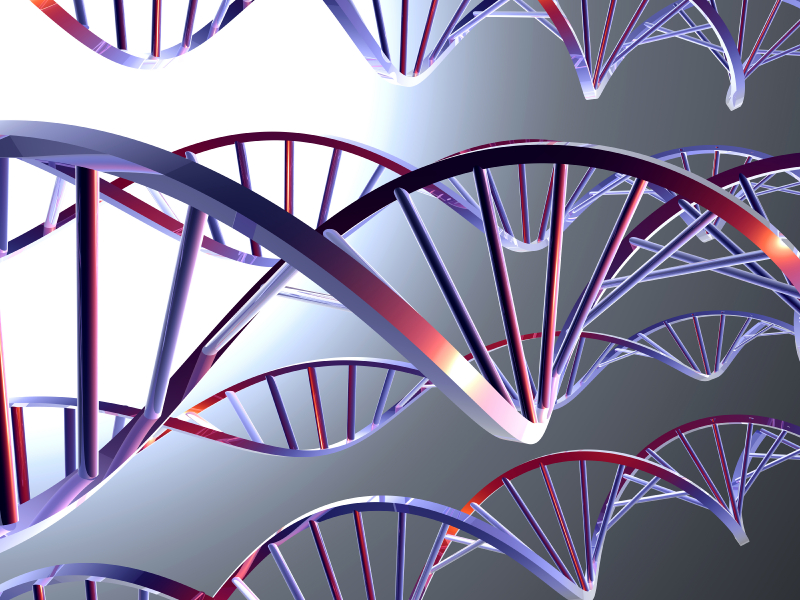
Among the vast number of different biomolecules, many are complex and large molecules (called biopolymers), which are composed of similar repeating subunits (called monomers). Each class of polymeric biomolecule has a different set of subunit types.For example, a protein is a polymer whose subunits are selected from a set of 20 or more amino acids. Biochemistry studies the chemical properties of important biological molecules, like proteins, and in particular the chemistry of enzyme-catalyzed reactions.
The biochemistry of cell metabolism and the endocrine system has been extensively described. Other areas of biochemistry include the genetic code (DNA, RNA), protein synthesis, cell membrane transport, and signal transduction.
Originally, it was generally believed that life was not subject to the laws of science the way non-life was. It was thought that only living beings could produce the molecules of life (from other, previously existing biomolecules). Then, in 1828, Friedrich Wöhler published a paper on the synthesis of urea, proving that organic compounds can be created artificially.[3][4]
The dawn of biochemistry may have been the discovery of the first enzyme, diastase (today called amylase), in 1833 by Anselme Payen. Eduard Buchner contributed the first demonstration of a complex biochemical process outside of a cell in 1896: alcoholic fermentation in cell extracts of yeast. Although the term “biochemistry” seems to have been first used in 1882, it is generally accepted that the formal coinage of biochemistry occurred in 1903 by Carl Neuberg, a German chemist. Previously, this area would have been referred to as physiological chemistry[citation needed]. Since then, biochemistry has advanced, especially since the mid-20th century, with the development of new techniques such as chromatography, X-ray diffraction, dual polarisation interferometry, NMR spectroscopy, radioisotopic labeling, electron microscopy and molecular dynamics simulations. These techniques allowed for the discovery and detailed analysis of many molecules and metabolic pathways of the cell, such as glycolysis and the Krebs cycle.
Another significant historic event in biochemistry is the discovery of the gene and its role in the transfer of information in the cell. This part of biochemistry is often called molecular biology. In the 1950s, James D. Watson, Francis Crick, Rosalind Franklin, and Maurice Wilkins were instrumental in solving DNA structure and suggesting its relationship with genetic transfer of information. In 1958, George Beadle and Edward Tatum received the Nobel Prize for work in fungi showing that one gene produces one enzyme. In 1988, Colin Pitchfork was the first person convicted of murder with DNA evidence, which led to growth of forensic science. More recently, Andrew Z. Fire and Craig C. Mello received the 2006 Nobel Prize for discovering the role of RNA interference (RNAi), in the silencing of gene expression.
Today, there are three main types of biochemistry. Plant biochemistry involves the study of the biochemistry of autotrophic organisms such as photosynthesis and other plant specific biochemical processes. General biochemistry encompasses both plant and animal biochemistry. Human/medical/medicinal biochemistry focuses on the biochemistry of humans and medical illnesses
Anatomy

Anatomy is subdivided into gross anatomy (or macroscopic anatomy) and microscopic anatomy.Gross anatomy (also called topographical anatomy, regional anatomy, or anthropotomy) is the study of anatomical structures that can be seen by unaided vision with the naked eye.Microscopic anatomy is the study of minute anatomical structures assisted with microscopes, which includes histology (the study of the organization of tissues), and cytology (the study of cells).
The history of anatomy has been characterized, over time, by a continually developing understanding of the functions of organs and structures in the body. Methods have also improved dramatically, advancing from examination of animals through dissection of cadavers (dead human bodies) to technologically complex techniques developed in the 20th century including X-ray, ultrasound, and MRI imaging.
Anatomy should not be confused with anatomical pathology (also called morbid anatomy or histopathology), which is the study of the gross and microscopic appearances of diseased organs.
Superficial anatomy
Superficial anatomy or surface anatomy is important in anatomy being the study of anatomical landmarks that can be readily seen from the contours or the surface of the body.With knowledge of superficial anatomy, physicians or veterinary surgeons gauge the position and anatomy of the associated deeper structures. Superficial is a directional term that indicates one structure is located more externally than another, or closer to the surface of the body.
Human anatomy
Human anatomy, including gross human anatomy and histology, is primarily the scientific study of the morphology of the adult human body.
Generally, students of certain biological sciences, paramedics, prosthetists and orthotists, physiotherapists, occupational therapy, nurses, and medical students learn gross anatomy and microscopic anatomy from anatomical models, skeletons, textbooks, diagrams, photographs, lectures and tutorials. The study of microscopic anatomy (or histology) can be aided by practical experience examining histological preparations (or slides) under a microscope; and in addition, medical students generally also learn gross anatomy with practical experience of dissection and inspection of cadavers (dead human bodies).
Human anatomy, physiology and biochemistry are complementary basic medical sciences, which are generally taught to medical students in their first year at medical school. Human anatomy can be taught regionally or systemically;that is, respectively, studying anatomy by bodily regions such as the head and chest, or studying by specific systems, such as the nervous or respiratory systems. The major anatomy textbook, Gray's Anatomy, has recently been reorganized from a systems format to a regional format,in line with modern teaching methods. A thorough working knowledge of anatomy is required by all medical doctors, especially surgeons, and doctors working in some diagnostic specialities, such as histopathology and radiology.
Academic human anatomists are usually employed by universities, medical schools or teaching hospitals. They are often involved in teaching anatomy, and research into certain systems, organs, tissues or cells
Other branches
* Comparative anatomy relates to the comparison of anatomical structures (both gross and microscopic) in different animals.
* Anthropological anatomy or physical anthropology relates to the comparison of the anatomy of different races of humans.
* Artistic anatomy relates to anatomic studies for artistic reasons.
Basic Medical sciences

- Anatomy is the study of the physical structure of organisms. In contrast to macroscopic or gross anatomy, cytology and histology are concerned with microscopic structures.
- Biochemistry is the study of the chemistry taking place in living organisms, especially the structure and function of their chemical components.
- Biomechanics is the study of the structure and function of biological systems by means of the methods of Mechanics.
- Biostatistics is the application of statistics to biological fields in the broadest sense. A knowledge of biostatistics is essential in the planning, evaluation, and interpretation of medical research. It is also fundamental to epidemiology and evidence-based medicine.
- Biophysics is an interdisciplinary science that uses the methods of physics and physical chemistry to study biological systems.
- Cytology is the microscopic study of individual cells.
- Embryology is the study of the early development of organisms.
- Endocrinology is the study of hormones and their effect throughout the body of animals.
- Epidemiology is the study of the demographics of disease processes, and includes, but is not limited to, the study of epidemics.
- Genetics is the study of genes, and their role in biological inheritance.
- Histology is the study of the structures of biological tissues by light microscopy, electron microscopy and immunohistochemistry.
- Immunology is the study of the immune system, which includes the innate and adaptive immune system in humans, for example.
- Medical physics is the study of the applications of physics principles in medicine.
- Microbiology is the study of microorganisms, including protozoa, bacteria, fungi, and viruses.
- Molecular biology is the study of molecular underpinnings of the process of replication, transcription and translation of the genetic material.
- Neuroscience includes those disciplines of science that are related to the study of the nervous system. A main focus of neuroscience is the biology and physiology of the human brain and spinal cord.
- Nutrition science (theoretical focus) and dietetics (practical focus) is the study of the relationship of food and drink to health and disease, especially in determining an optimal diet. Medical nutrition therapy is done by dietitians and is prescribed for diabetes, cardiovascular diseases, weight and eating disorders, allergies, malnutrition, and neoplastic diseases.
- Pathology as a science is the study of disease—the causes, course, progression and resolution thereof.
- Pharmacology is the study of drugs and their actions.
- Photobiology is the study of the interactions between non-ionizing radiation and living organisms.
- Physiology is the study of the normal functioning of the body and the underlying regulatory mechanisms.
- Radiobiology is the study of the interactions between ionizing radiation and living organisms.
- Toxicology is the study of hazardous effects of drugs and poisons.
Medicine
Sunday, February 27, 2011

Medicine is the science and art of healing. It encompasses a variety of health care practices evolved to maintain and restore health by the prevention and treatment of illness.
Contemporary medicine applies health science, biomedical research, and medical technology to diagnose and treat injury and disease, typically through medication, surgery, or some other form of therapy. The word medicine is derived from the Latin ars medicina, meaning the art of healing.
Though medical technology and clinical expertise are pivotal to contemporary medicine, successful face-to-face relief of actual suffering continues to require the application of ordinary human feeling and compassion, known in English as bedside manner.
Subscribe to:
Posts (Atom)